
Insights/Local inspection repair planning
Pompano Beach Building Safety Inspections: Planning Restoration When Repairs Are Required
From reported findings to engineer-defined repairs, comparable measured bids, permits, resident coordination and the responsible professional’s reinspection.
|4 min read
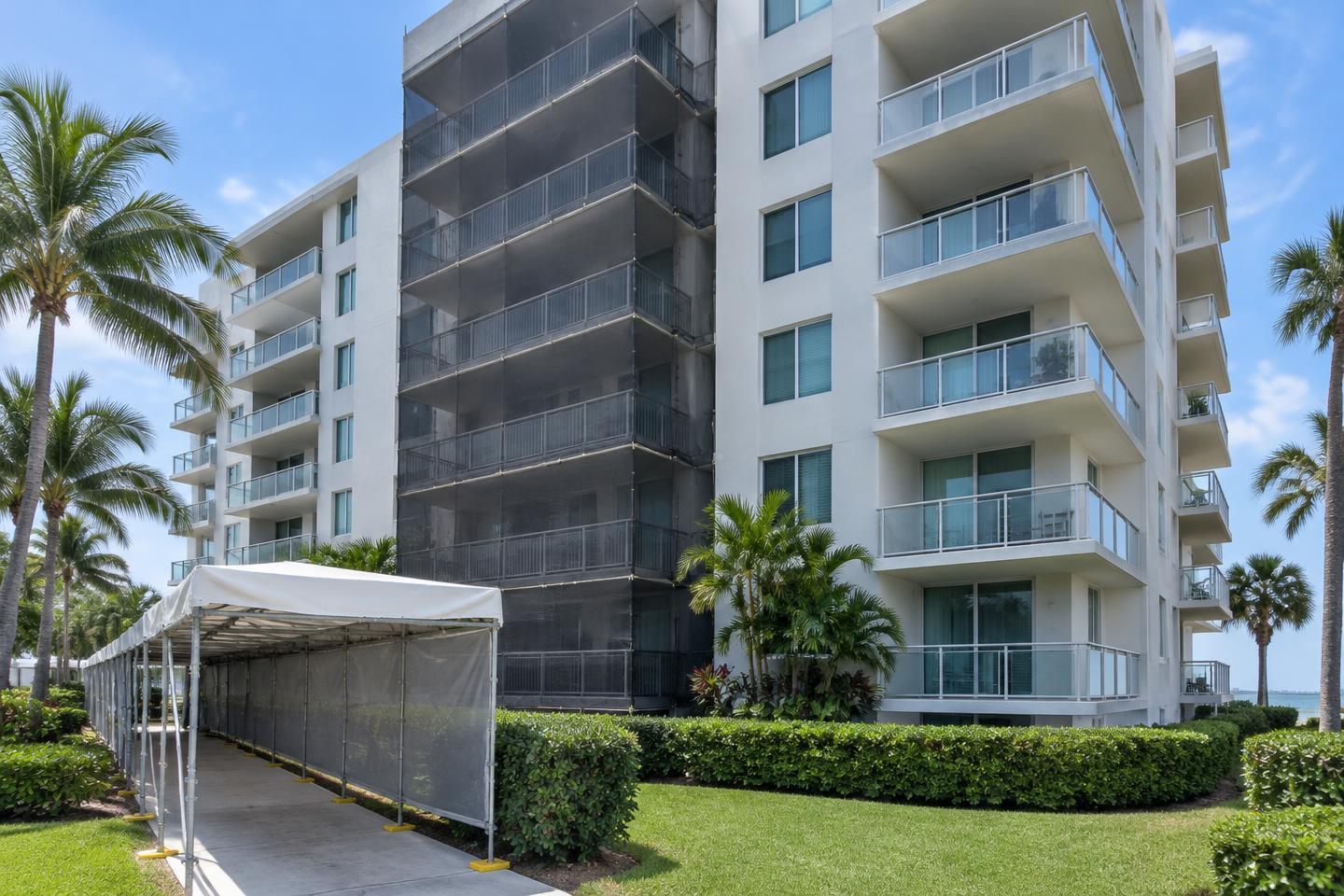
An inspection report that identifies repairs is not yet a construction-ready restoration plan. For a Pompano Beach owner or condominium board, the next task is to connect the findings to professional repair direction, a comparable bid scope, permits, access and a documented close-out. This article explains that contractor planning sequence; it does not determine whether a particular building is safe or whether a statutory inspection applies.
Confirm the local program before planning the work
The City of Pompano Beach describes its Building Safety Inspection Program under Broward BORA Policy 05-05 for buildings and structures aged 25 years or older, subject to exemptions. Subsequent inspections occur at ten-year intervals from the original required inspection date, regardless of when a report is finalized or filed. It is not a universal 40-year program. The City's current notice and requirements control the owner's particular case.
Exemptions include specified government, tribal and school buildings; single- through four-family dwellings with three or fewer habitable stories; fee-simple townhouses; qualifying minor structures under 3,500 square feet; and railroad facilities. The City also identifies exceptions to the minor-structure exemption for structures supporting primary operations and notes that parking garages and certain attached structures are not exempt. Do not decide eligibility from age or area alone; ask the Building Department and the responsible professional.
The local program and Florida's statewide Milestone Inspection framework are not interchangeable labels. Applicability, reporting and any accepted overlap must be confirmed with the authority and licensed professional. A contractor's condition record or completed repair does not itself satisfy either inspection requirement.
Turn findings into engineer-defined repair documents
Keep the original report, municipal correspondence, structural and electrical findings, drawings and prior repairs together. Identify each reported location and the professional responsible for addressing it. Ask which findings require immediate restrictions, additional evaluation or design before bidding. Occupancy and structural safety decisions belong to the responsible licensed professional and authority, not a restoration estimate.
For concrete repairs, the engineer's documents should establish applicable categories, details, materials, inspection points and what must be referred back when opening the structure reveals a different condition. Electrical deficiencies need their appropriate professional and permitted scope. Do not quietly fold an undefined electrical or structural obligation into a general concrete allowance.
Compare a measured scope, not only a total price
Request bids against the same current drawings, specifications and addenda. Separate estimated quantities from quantities verified through approved close-up access or controlled opening. The bid should state measurement units, depth bands where specified, inclusions and exclusions, and how additional work is priced and approved. An estimate cannot reveal every concealed condition, but a contract can explain the decision process.
Tie quantities to durable location IDs, such as elevation, level, bay and repair number. Record the baseline, the opened boundary and the completed work against those IDs. Ask who checks measurements and authorizes changes. A larger field quantity should have a traceable explanation and appropriate professional direction, not simply a percentage added to the building-wide total.
Coordinate permits, access and residents
Confirm permit requirements with the City and the project team before mobilization. Align the approved scope with exterior access, staging, debris handling, pedestrian protection and inspection availability. Where engineering documents require temporary support or restrictions, carry that direction into the work plan. Means and methods must not replace a missing design decision.
In an occupied building, notices should explain affected areas, balcony or parking restrictions, entry needs and protected routes. Sequence work so residents and management know which phase is open and which is closed. Weather, professional reviews and material cure requirements may affect progress. Follow the official notice and municipal instructions for deadlines rather than importing a generic timetable from another program or building.
Document repairs before they become concealed
Define hold points before removal, reinforcement work, placement and covering with a protective system, as required by the documents. Keep dated repair-state photographs, approved quantities, field questions and written directions. Include specified material and inspection records. These are construction evidence for review; they are not the contractor's certification of structural adequacy.
When a differing condition appears, preserve the location and evidence, notify the responsible professional and obtain direction before affected work proceeds beyond the authorized scope. At handover, reconcile completed repairs with the original findings so the professional does not have to reconstruct the history from unrelated photos or invoices.
Plan the responsible professional’s reinspection
The City's page states that the responsible Florida licensed professional engineer or registered architect who performed the safety inspection and issued the report reinspects the areas identified after required repairs are complete. The professional provides the owner and Building Official an amended report and signed and sealed letter addressing completion and continued use under the municipal requirements. Coordinate that review early, including access to work before concealment where required.
CONCRE's role is restoration execution and the supporting location, quantity and construction record under approved documents. CONCRE observes, maps and quantifies. The Florida PE evaluates, diagnoses and specifies. A contractor close-out package supports professional review; it does not replace sealed reporting, municipal acceptance or the responsible professional's determinations.
Official source and next step
Source: City of Pompano Beach, Building Safety Inspection Program. Checked October 11, 2026. Requirements may change; confirm current applicability, notice instructions, permits and documentation with the City and the responsible licensed professional before acting.
Official municipal program — checked October 11, 2026
Frequently asked questions
Is this a universal 40-year inspection program?
No. The City describes eligible buildings and structures aged 25 years or older with specified exemptions, and subsequent ten-year intervals from the original required inspection date. Confirm applicability with the City and responsible professional.
Can CONCRE provide the sealed completion certification?
No. CONCRE executes restoration under approved documents and supplies construction records. The responsible licensed engineer or architect performs the required reinspection and sealed reporting under municipal requirements.
Does a delayed report move the next inspection date?
The City states that ten-year intervals run from the original required inspection date regardless of when the report is finalized or filed. Confirm the actual schedule with the City.
Related insights
More from CONCRE Insights.
Technical Restoration
Parking Garage Restoration: Coordinating Concrete Repairs, Waterproofing and Traffic Coatings
Coordinate engineer-defined concrete repairs, accepted substrates, specified protective systems and phased reopening with a clear record at every handoff.
Preventive building preservation
Don't Wait 30 Years: Why Concrete Condition Reviews Should Start Before Florida's Milestone Inspection
Milestone Inspection is a regulatory milestone. Building preservation is a continuous process. A condition-informed review cycle can help boards establish a baseline, recognize change and organize the right response before statutory age.
Quantity control
How Are Concrete Repair Quantities Measured? From Inspection to Final Repair
You cannot control what you cannot quantify. Concrete repair quantities move from estimated to identified, verified and repaired. This guide explains how each stage is measured, documented and approved so owners can follow the scope with evidence.
Next step
Need a Pompano Beach Safety Inspection or Repair Scope?
Our team specializes in structural assessments and quantified restoration planning for coastal South Florida buildings.