
Insights/Preventive building preservation
Don't Wait 30 Years: Why Concrete Condition Reviews Should Start Before Florida's Milestone Inspection
Milestone Inspection is a regulatory milestone. Building preservation is a continuous process. A condition-informed review cycle can help boards establish a baseline, recognize change and organize the right response before statutory age.
|10 min read
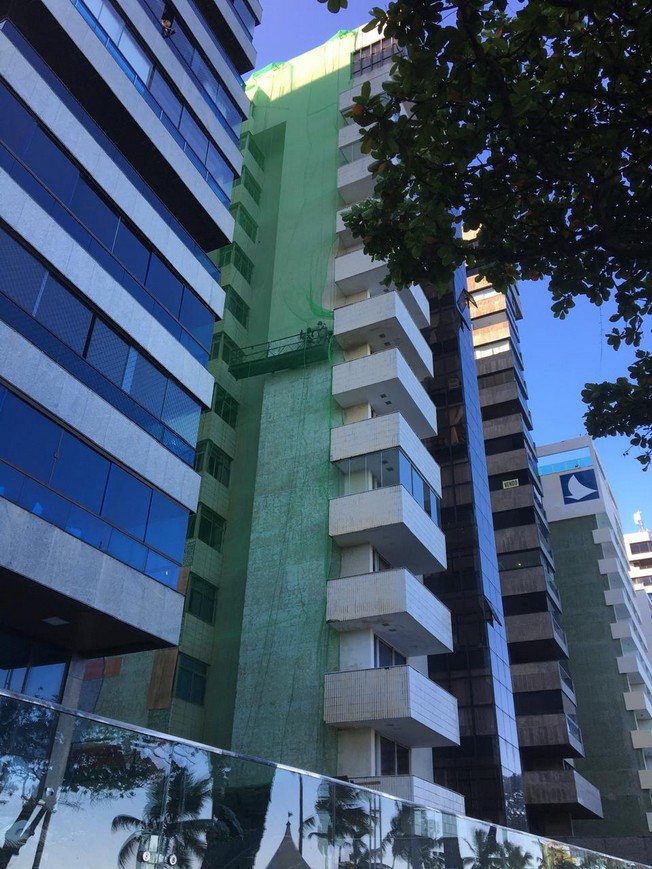
Florida's Milestone Inspection law creates an important regulatory checkpoint for many condominium and cooperative buildings. It does not turn the years before that checkpoint into a condition-free period. Concrete, waterproofing, sealants, coatings, joints and drainage details begin responding to design, construction, exposure and maintenance from the day a building enters service. By the time visible distress becomes severe, the condition may have been developing for years.
For a condominium board or property manager, the better question is not simply, “When is our Milestone Inspection due?” It is also, “What do we know about our building today, and how will we know if its condition changes?” The statutory inspection and an ongoing preservation program have different purposes. One addresses compliance at a legally defined milestone. The other helps an owner manage information, maintenance and professional escalation throughout the building's service life.
Milestone Inspection is a regulatory milestone. Building preservation is a continuous process.
1. Compliance and building preservation are different responsibilities
A Florida Milestone Inspection is a statutory structural inspection for covered buildings. It is performed by a Florida-licensed architect or engineer under the applicable law and local process. The professional evaluates the building, makes the required structural determinations and signs and seals the report. The association should confirm applicability, timing and current requirements with its local enforcement agency, legal counsel and qualified licensed professionals.
Asset preservation is broader and continuous. It includes maintaining records, observing exposed building elements, tracking water-related conditions, completing routine maintenance, engaging licensed professionals when conditions warrant and planning approved repairs. A preservation program does not replace or satisfy a Milestone Inspection. Likewise, reaching a statutory age does not create deterioration that was absent the day before; it creates a formal compliance event at a particular point in an evolving service life.
2. Concrete deterioration can begin long before 30 years
Reinforced concrete is durable, but it is not inert. Moisture can enter through cracks, joints, failed sealants, porous surfaces, railing penetrations and transitions in the building envelope. In coastal and South Florida exposure, salt-laden air and direct marine influence can add chlorides. Carbonation can also reduce the alkalinity that helps protect embedded reinforcing steel. If conditions support corrosion, expansive corrosion products can generate pressure around the steel.
The progression is not identical in every building or location. Early manifestations may include persistent moisture, staining or fine cracking. With continued exposure, some areas may develop rust staining, delamination or spalling; advanced deterioration may include exposed reinforcement and section loss. These are general mechanisms, not a diagnosis. Design, concrete quality, cover, execution, exposure, waterproofing, drainage, prior repairs and maintenance all influence performance.
3. Service life begins with design, construction and exposure
A building's service life begins well before a board notices its first spall. Design establishes geometry, drainage, cover, joints, waterproofing interfaces and intended materials. Construction turns those details into physical work, with variations in consolidation, curing, placement and installation affecting durability. Exposure then acts on the completed building every day through rain, humidity, ultraviolet light, temperature, wind, salt and use.
4. Early signs owners should track
A visual condition record should focus on changes that can be observed without assigning an engineering conclusion. Water intrusion and staining can indicate an active or recurring moisture path. Cracks can be recorded by location, direction and apparent change. Rust-colored staining can be associated with embedded steel or metal components. Localized hollow response identified during an authorized sounding program, delamination or spalling deserves location-based documentation and appropriate follow-up.
- Leaks, damp areas, efflorescence and staining that appear or recur after rain
- Cracks at slabs, balconies, façades, beams, columns, walls or previous repair perimeters
- Rust-colored staining, exposed metal or corrosion products
- Localized concrete loss, bulging, delamination or spalling
- Changes at sealants, joints, coatings, drains, thresholds and railing interfaces
- Prior repairs that crack, stain, debond or show recurring moisture
A photograph is evidence of appearance at a moment in time; it is not a structural diagnosis. Owners should avoid labeling an observation safe, cosmetic or structural from an image alone. Loose overhead material, rapid change, displaced concrete, significant leakage or other urgent-looking conditions may require immediate access controls and prompt evaluation by the appropriate licensed professional.
5. Why waiting for severe visible damage can increase scope and complexity
Visible distress may represent only part of a condition. Delamination can extend below an apparently intact surface. Water can travel before appearing at a stain. Corrosion may continue along reinforcement beyond a local spall. When deterioration is discovered later, access, protection, demolition, reinforcement work, reconstruction, waterproofing and occupied-building logistics may all become more extensive. That does not mean every early stain will become a major repair, or that periodic review guarantees lower cost.
Careful language matters: earlier identification and timely maintenance or repair can reduce the likelihood that localized deterioration develops into broader, more complex and costly intervention. Actual outcomes depend on condition, exposure, design, original execution, maintenance history, investigation findings and the decisions of the responsible professionals. Preventive management improves the quality and timing of information; it does not eliminate uncertainty.
6. What a periodic or annual condition review can—and cannot—do
An Annual Building Condition Review can be used as a CONCRE educational and commercial concept for systematic visual observations, repeat photographs, location documentation, comparison with prior cycles, maintenance-issue tracking and escalation when conditions warrant. It is not the statutory Milestone Inspection. It should not be called an engineering structural inspection unless it is performed within the proper scope by an appropriately licensed professional.
Annual may be a useful management rhythm for some properties, but it is not a universal legal mandate or a one-size-fits-all technical interval. Scope and frequency should reflect building age, marine or weather exposure, known deterioration, previous repairs, waterproofing history, observed rate of change and professional recommendations. A lower-risk building may use a different cycle; an active leak or rapidly changing condition should not wait for the next calendar review.
“Annual Building Condition Review” describes a voluntary condition-management practice. It is not a statutory Milestone Inspection and does not replace evaluation by a Florida-licensed architect or engineer.
7. A practical preventive cycle
01
Baseline
Create an organized starting record by element and location using available reports, drawings, repair history, waterproofing records and current photographs.
02
Observe
Review accessible concrete and water-management interfaces for new or recurring visible conditions without assigning unsupported diagnoses.
03
Document
Give each condition a stable location ID, date, description and photographs that can be repeated from a similar viewpoint.
04
Evaluate
Escalate conditions that require professional judgment to the appropriate Florida-licensed architect, engineer or EOR, who defines any investigation and interprets findings.
05
Maintain or repair
Complete maintenance promptly and execute engineered repairs under approved documents, with authorization and field records.
06
Reinspect
Return to the same locations, compare change and carry close-out information into the next cycle rather than starting from zero.
8. When a Florida-licensed architect or engineer should become involved
Licensed professional involvement is appropriate whenever interpretation, structural significance, testing strategy, repair design, shoring, acceptance criteria or other engineering or architectural judgment is required. It is also prudent when observations recur, accelerate, affect primary structural elements, involve exposed or apparently reduced reinforcement, appear over occupied areas or cannot be explained through routine maintenance records.
The professional determines whether visual review is enough or whether sounding, selective openings, material testing, corrosion-related testing or other investigation is warranted. Sounding can help identify a change in response associated with near-surface separation, but sounding alone does not diagnose structural adequacy. CONCRE can support access, mapping and documentation, then execute approved repairs; it does not replace the professional who evaluates and specifies.
9. Recurring observation zones: balconies, façades, slab edges and parking structures
Balconies combine exposed topsides, slab edges, soffits, railing interfaces, thresholds and waterproofing transitions. Façades and slab edges repeat across elevations and may be difficult to see from grade. Parking structures combine vehicle traffic, joints, drains, ramps, decks, beams, columns and overhead soffits. These zones are not automatically defective, but their exposure and repeated details make consistent location-based observation useful.
A balcony inspection or parking garage concrete inspection may require a licensed professional depending on its purpose and scope. A contractor's periodic visual observation is not a substitute. The owner should define who observes, who evaluates, who authorizes maintenance and who designs repairs. That clarity protects the board from confusing a useful maintenance note with a professional structural determination.
10. Documentation turns observations into a condition history
A folder of unlabeled photographs is difficult to use. A condition record should identify the building, elevation or level, floor or grid, element, date, observation category and prior repair when known. Stable IDs make it possible to compare the same location over time. Repeat photographs from consistent positions are especially useful where practical, because they reduce ambiguity created by different angles and distances.
The record should also capture action: maintenance completed, professional contacted, investigation requested, repair detail issued, work authorized and close-out received. When repair follows, quantities and photographs can be linked to the same location. The companion guide explains how estimated, identified, verified and repaired quantities create commercial control once a restoration scope develops.
11. Milestone Inspection remains important—but should not be the first condition record
Nothing in a preventive program diminishes the statutory Milestone Inspection. For a covered building, the inspection remains a formal, important process performed and sealed by a Florida-licensed architect or engineer. Associations should understand the applicable age, official notice, phases, reporting obligations and local administration, and should not assume that voluntary reviews alter those requirements.
The preservation point is narrower: the Milestone report is stronger when it does not arrive in an information vacuum. Prior drawings, leak logs, photographs, repair close-outs, waterproofing records and professional reports help establish what changed and what has already been addressed. A building approaching statutory age should be able to present a condition history, not begin searching for its history after notice arrives.
12. From reactive restoration to planned preservation
Reactive restoration begins when a visible failure, leak, falling-material concern or statutory deadline forces action. Planned preservation organizes observation and maintenance before that pressure. It does not mean repairing every imperfection or commissioning unnecessary testing. It means deciding in advance how observations are recorded, which maintenance items can be handled routinely and which conditions trigger licensed professional review.
13. Where CONCRE fits
Within its lawful contractor role, CONCRE can support systematic visual observations, location IDs, repeatable photo records, comparison with prior cycles, maintenance-issue tracking, access coordination and escalation to licensed design professionals where needed. When a Florida-licensed professional issues repair details, CONCRE can quantify and execute the approved scope, manage QA/QC and preserve close-out records for the next condition cycle.
CONCRE does not perform the statutory Milestone Inspection, determine substantial structural deterioration, diagnose structural adequacy or replace the architect, engineer or EOR. Earlier review is not a promise that damage or cost will be avoided. It is a disciplined way to understand what is visible, document what changes and obtain the right professional direction at the right time.
CONCRE observes, maps and quantifies. The Florida PE evaluates, diagnoses and specifies.
14. Board and property manager checklist
- Establish a baseline condition record organized by building element and location
- Maintain prior inspection, repair, waterproofing, leak and maintenance records
- Repeat photographs from consistent locations where practical
- Track cracks, staining, spalls, leaks and the performance of previous repairs
- Include balconies, slab edges, façades and parking structures in the observation plan
- Document the date, exact location, description and apparent change for each condition
- Define an escalation path to a Florida-licensed architect or engineer
- Address routine maintenance items promptly and keep evidence of completion
- Preserve repair drawings, approvals, quantities, photographs and close-out records
- Review condition periodically rather than waiting for statutory age
- Confirm current Milestone Inspection requirements separately with the local enforcement agency and qualified advisors
Inspect earlier. Address deterioration earlier. Preserve longer.
Thirty years is a regulatory milestone, not the beginning of a building's service life. Boards cannot guarantee performance by looking more often, but they can replace missing history with a repeatable record and replace delayed reaction with defined escalation. Baseline, observe, document, evaluate, maintain or repair, and reinspect: that cycle gives future boards and professionals better information for every decision that follows.
Don't wait 30 years to understand your building. Start with what can be responsibly observed, involve the appropriate licensed professional whenever evaluation is required and carry every maintenance and repair record forward. Building preservation is not one inspection. It is continuity.
Related insights
More from CONCRE Insights.
Quantity control
How Are Concrete Repair Quantities Measured? From Inspection to Final Repair
You cannot control what you cannot quantify. Concrete repair quantities move from estimated to identified, verified and repaired. This guide explains how each stage is measured, documented and approved so owners can follow the scope with evidence.
Concrete spalling guide
Concrete Spalling in Florida Buildings: Causes, Warning Signs, and When Repair Is Needed
Spalling is visible concrete loss, but the condition behind it may extend beyond the broken surface. This guide helps Florida owners recognize what they can observe, what requires licensed professional evaluation, and how an engineered repair is controlled in the field.
Milestone Inspection basics
What Is a Milestone Inspection in Florida? A Guide for Condominium Boards
A Milestone Inspection is a structural inspection performed by a Florida-licensed architect or engineer. This guide explains who it applies to, when it is due, how Phase One and Phase Two work, and what a board should organize if structural repairs are identified.
Next step
Start with a condition record.
Share available reports, repair history and current observations with CONCRE. We can help organize locations, documentation and the next contractor steps while licensed professionals retain engineering decisions.