
CONCRE Insights
Field notes on structural restoration.
Technical writing for the people who have to decide: condominium boards, property managers, general contractors, owners and engineers. Observed conditions, repair sequencing, quantity control and documentation — no diagnosis, no sales copy.
All insights
Recent articles.
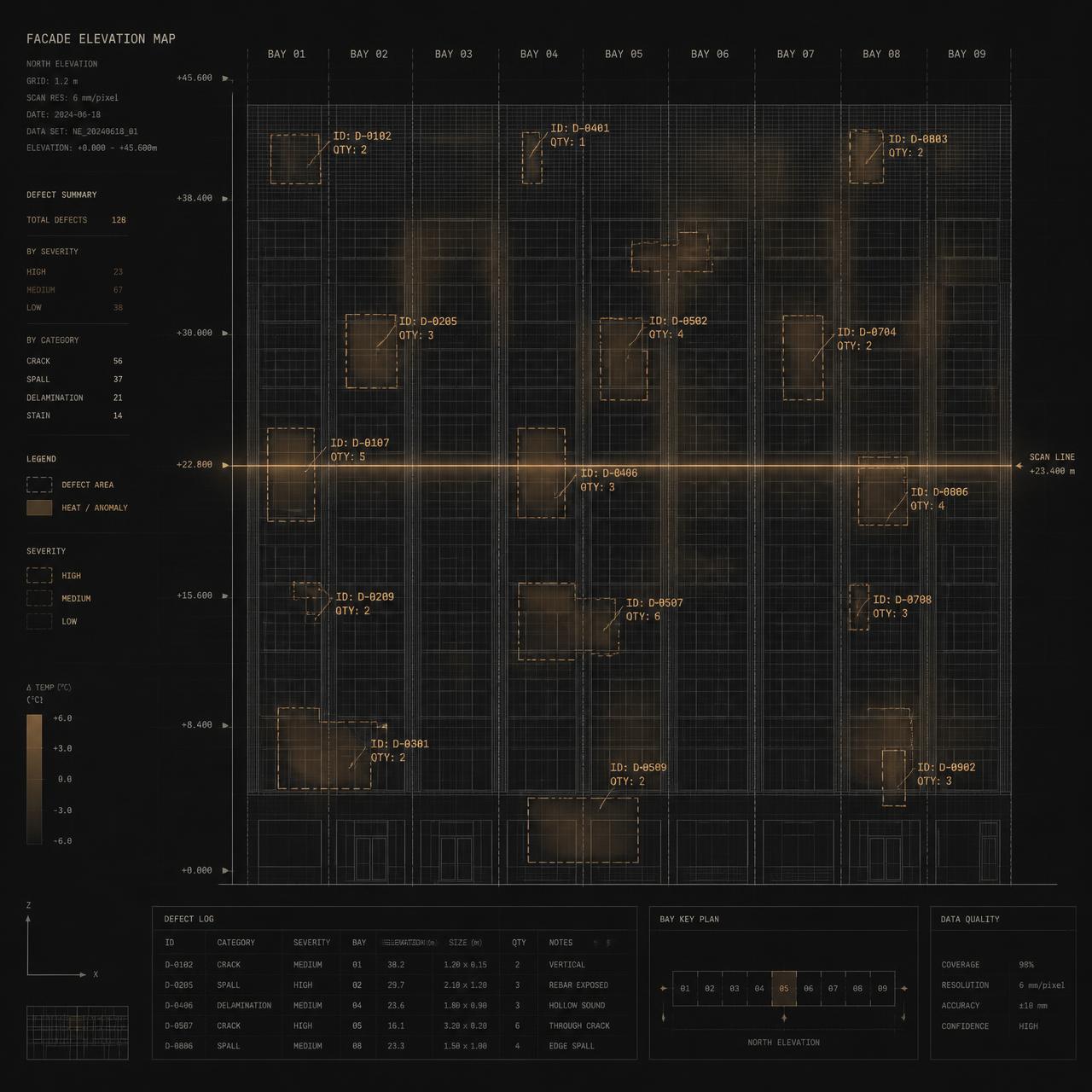
Contract structure
Unit Price vs. Lump Sum: Choosing a Contract Structure for Concrete Restoration
Concrete repair quantities are not fully known until the concrete is opened. The contract structure decides who carries that uncertainty and how the final number is reached.
|4 min read

SIRS & condominium planning
Florida SIRS Deadline: What Condo Boards Must Do Before December 31, 2026
Florida law sets December 31, 2026 as the outer limit for completing a Structural Integrity Reserve Study. Here is what the statutes require now, and the practical steps boards are taking.
|4 min read
Local inspection repair planning
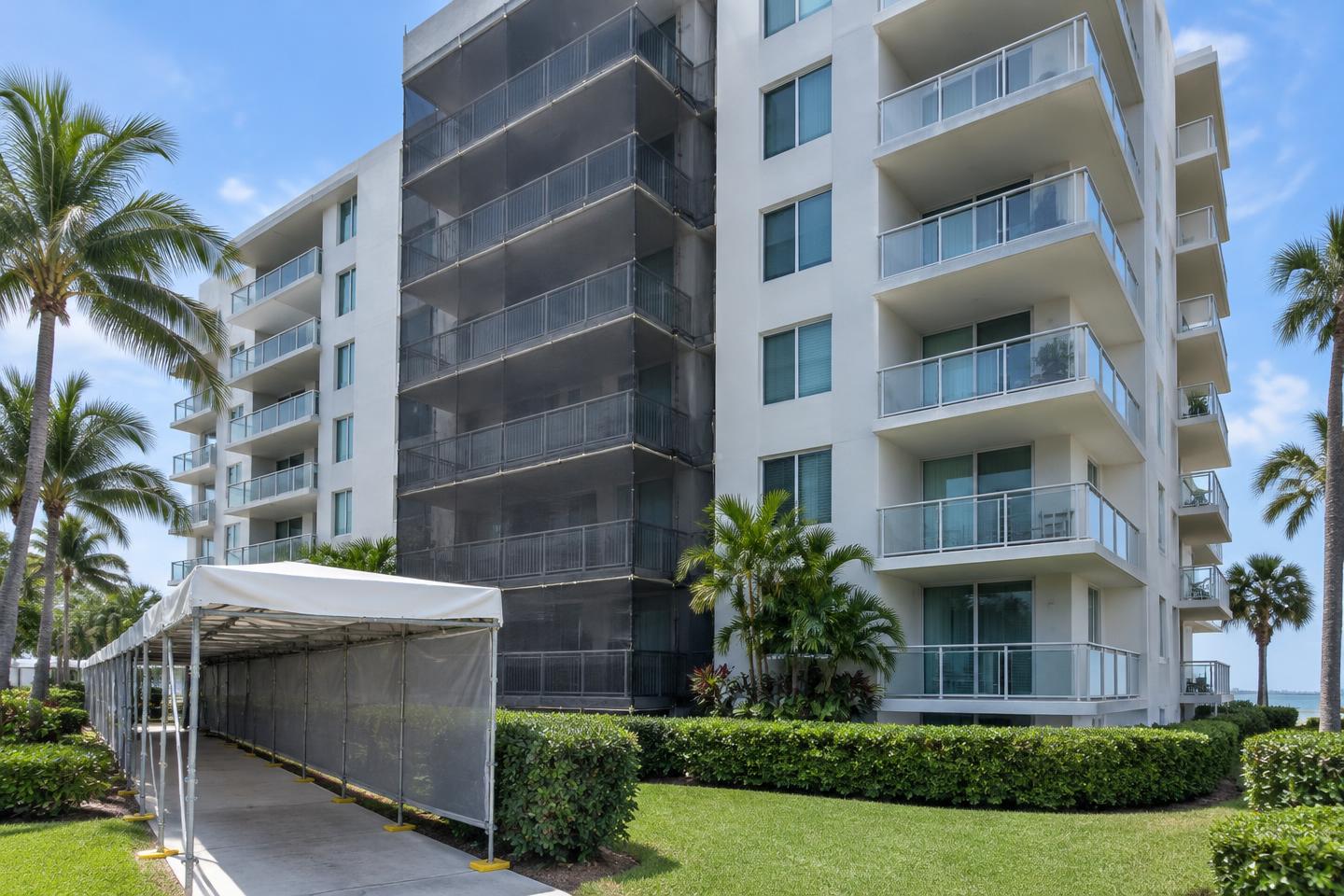
Pompano Beach Building Safety Inspections: Planning Restoration When Repairs Are Required
From reported findings to engineer-defined repairs, comparable measured bids, permits, resident coordination and the responsible professional’s reinspection.
|4 min read
Technical Restoration
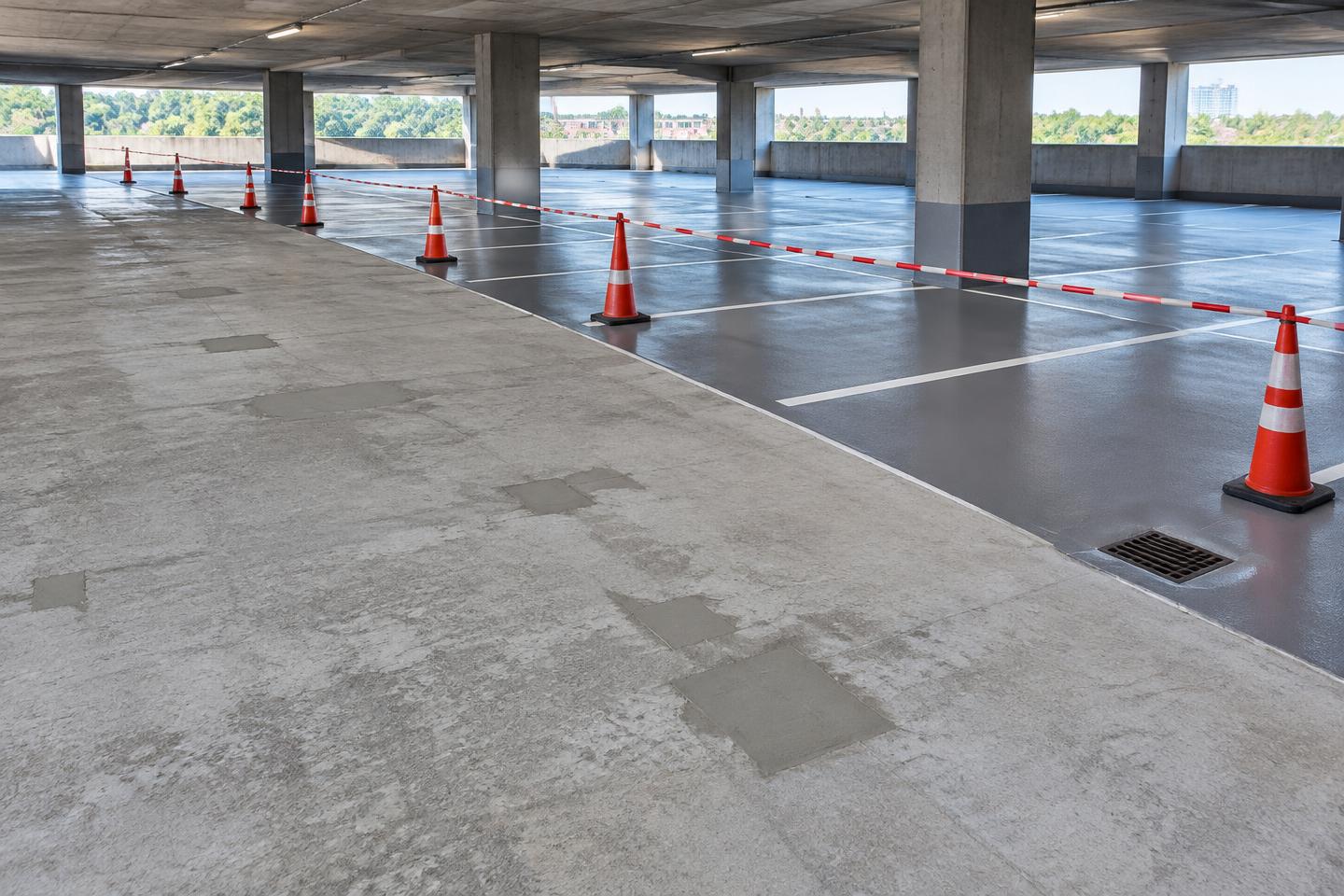
Parking Garage Restoration: Coordinating Concrete Repairs, Waterproofing and Traffic Coatings
Coordinate engineer-defined concrete repairs, accepted substrates, specified protective systems and phased reopening with a clear record at every handoff.
|4 min read
Preventive building preservation
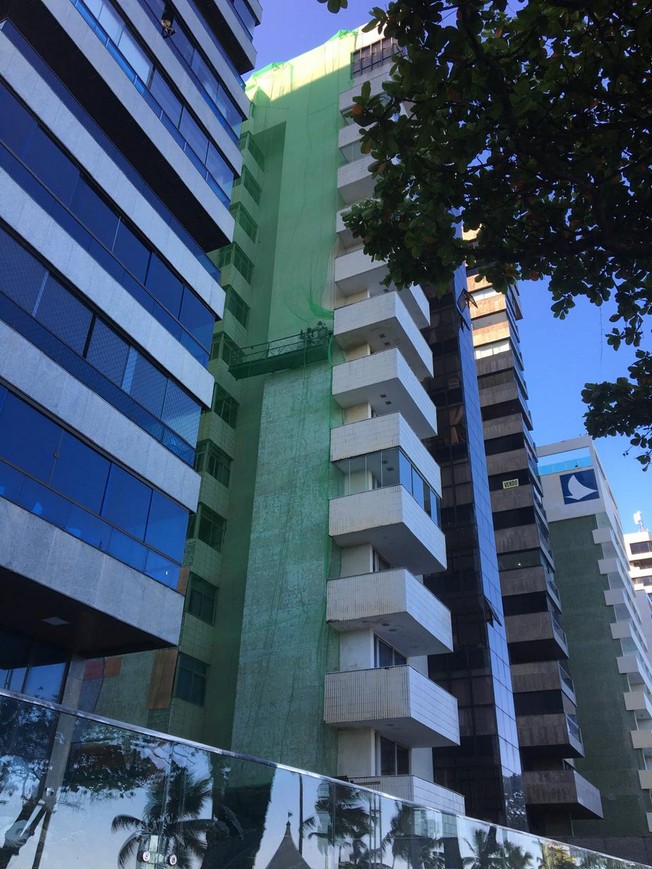
Don't Wait 30 Years: Why Concrete Condition Reviews Should Start Before Florida's Milestone Inspection
Milestone Inspection is a regulatory milestone. Building preservation is a continuous process. A condition-informed review cycle can help boards establish a baseline, recognize change and organize the right response before statutory age.
|10 min read
Quantity control
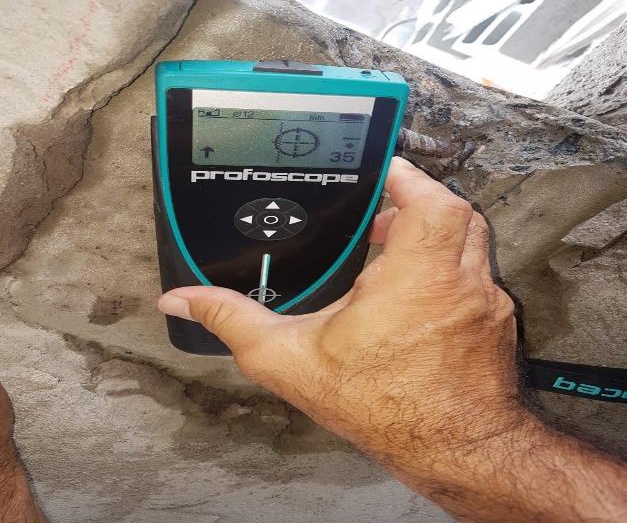
How Are Concrete Repair Quantities Measured? From Inspection to Final Repair
You cannot control what you cannot quantify. Concrete repair quantities move from estimated to identified, verified and repaired. This guide explains how each stage is measured, documented and approved so owners can follow the scope with evidence.
|9 min read
Concrete spalling guide
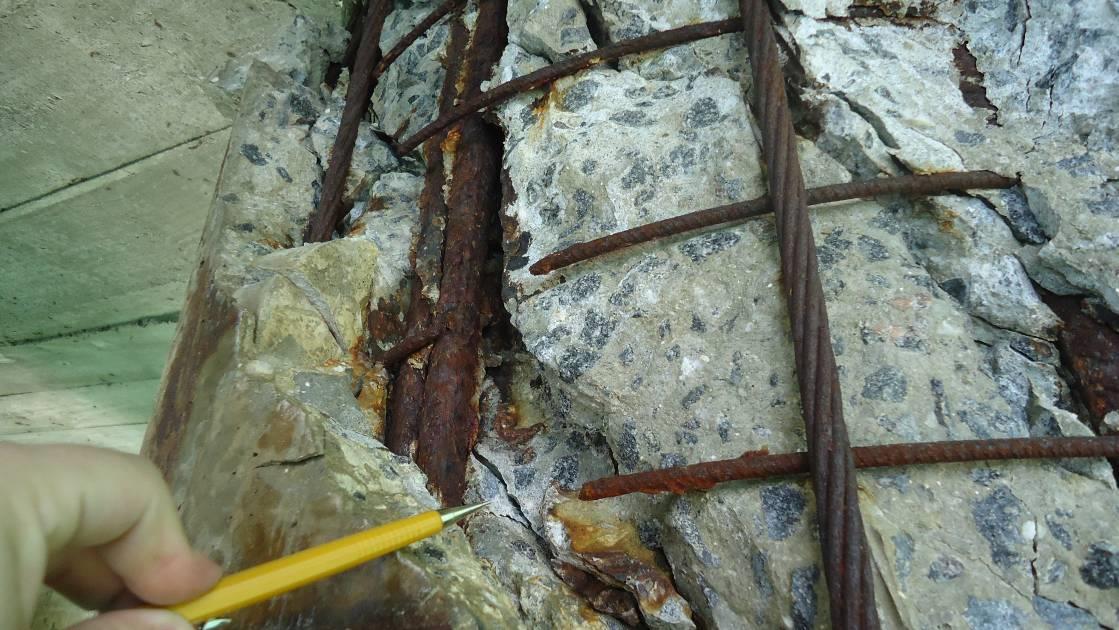
Concrete Spalling in Florida Buildings: Causes, Warning Signs, and When Repair Is Needed
Spalling is visible concrete loss, but the condition behind it may extend beyond the broken surface. This guide helps Florida owners recognize what they can observe, what requires licensed professional evaluation, and how an engineered repair is controlled in the field.
|9 min read
Milestone Inspection basics
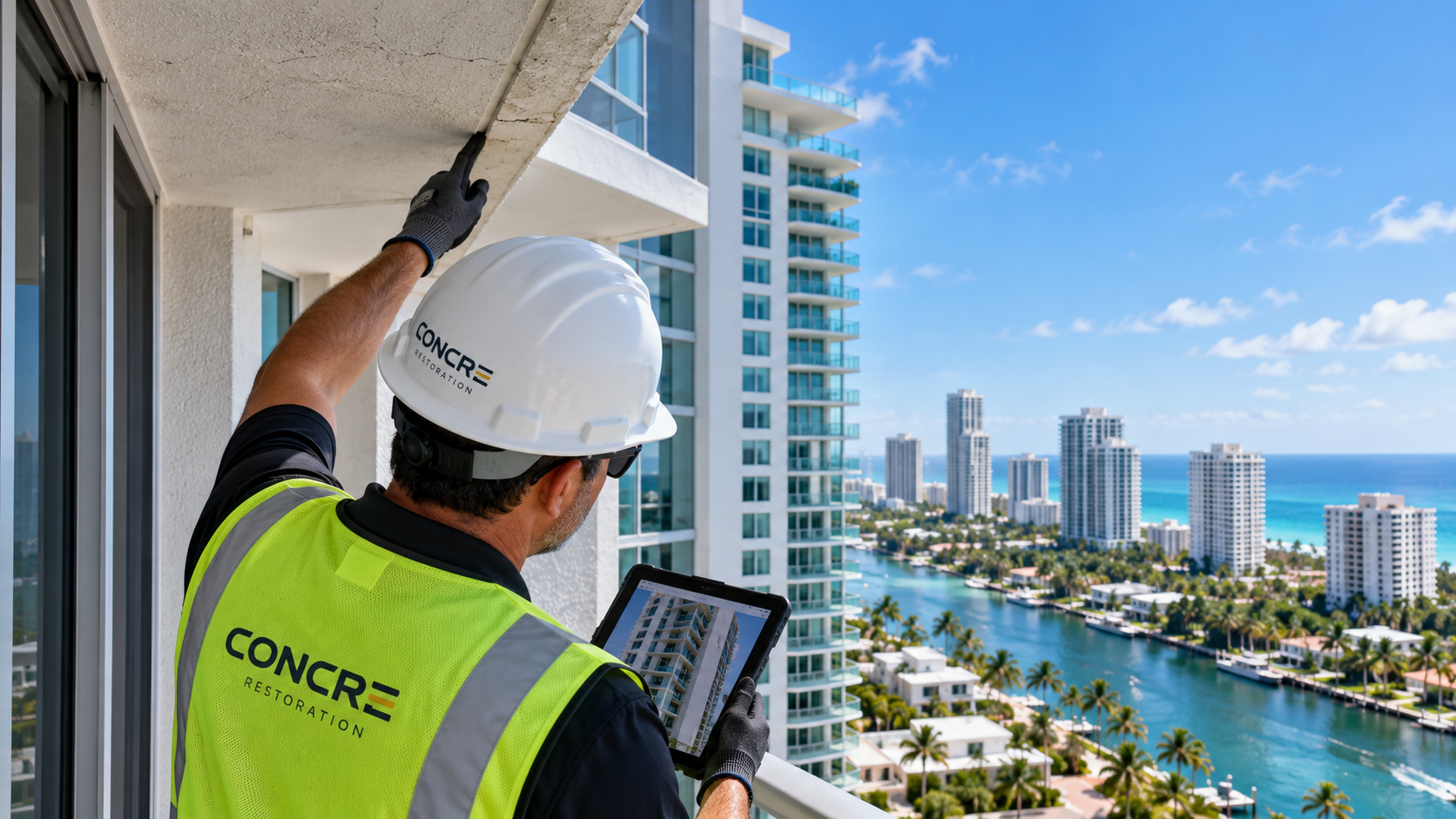
What Is a Milestone Inspection in Florida? A Guide for Condominium Boards
A Milestone Inspection is a structural inspection performed by a Florida-licensed architect or engineer. This guide explains who it applies to, when it is due, how Phase One and Phase Two work, and what a board should organize if structural repairs are identified.
|8 min read
Balcony proposal comparison
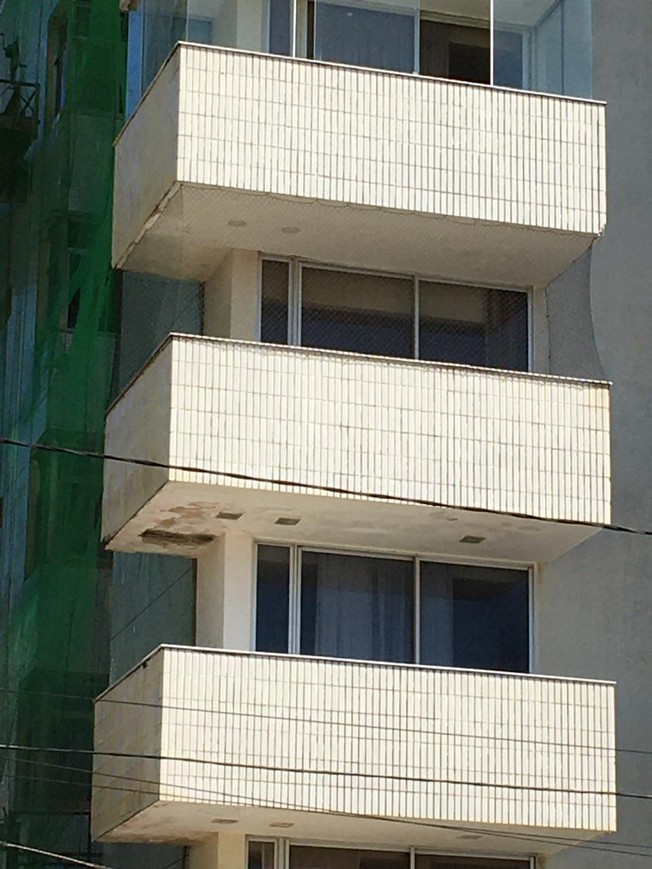
Balcony Repair Proposals: What Condominium Boards Should Compare Before Approving Work
Before approving balcony repairs, compare the same documents, quantity rules, access responsibilities and protection interfaces—not just the total price.
|10 min read
Parking garage condition awareness
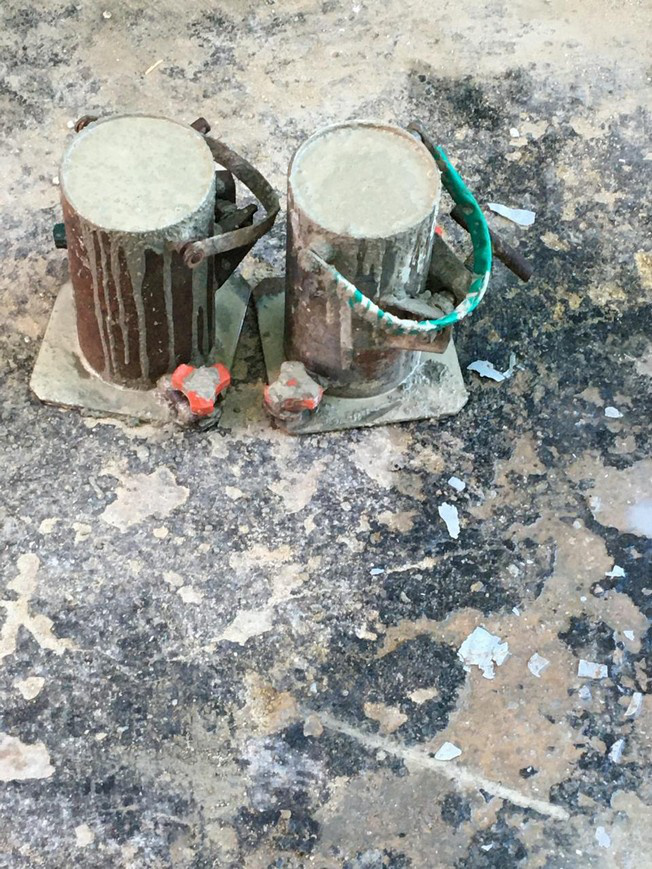
Parking Garage Concrete Repair: Warning Signs Building Owners Should Not Ignore
Parking structures can remain in service while localized deterioration develops at decks, ramps, joints, beams, columns and soffits. Recognizing changes early helps owners document conditions and seek the right professional evaluation without treating a visible symptom as a diagnosis.
|8 min read

Technical Case Study | Marine Infrastructure | Durability
Marine Concrete Deterioration: What a Pier Inspection Reveals
A technical case study from the Port of Suape shows how chloride exposure, inadequate cover, concrete quality and reinforcement corrosion can converge into severe structural deterioration.
|5 min read
CONCRE Technical Insights | 01
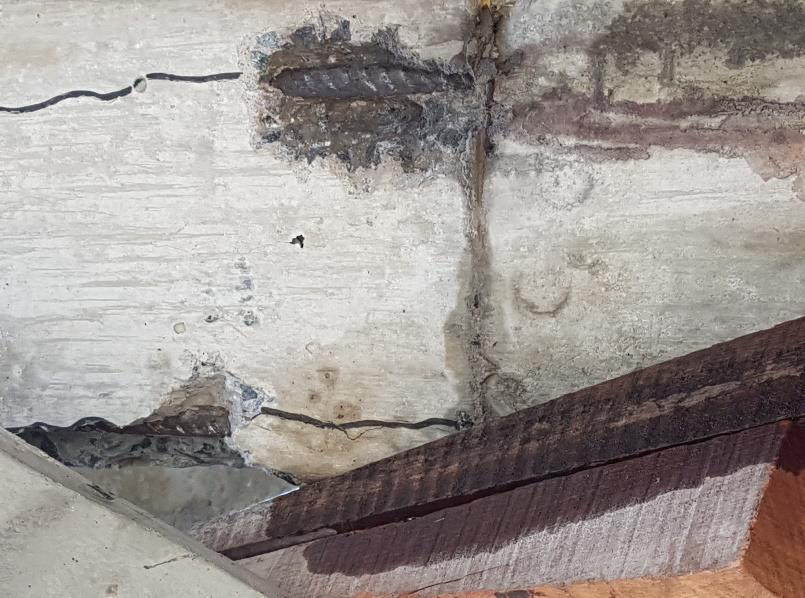
When Cracks Tell a Deeper Story: Diagnosing Reinforced Concrete Deterioration in Coastal Buildings
Lessons from a comprehensive investigation of structural columns at Acqua Marine, a coastal residential development in Reserva do Paiva, Brazil.
|8 min read
CONCRE Technical Note
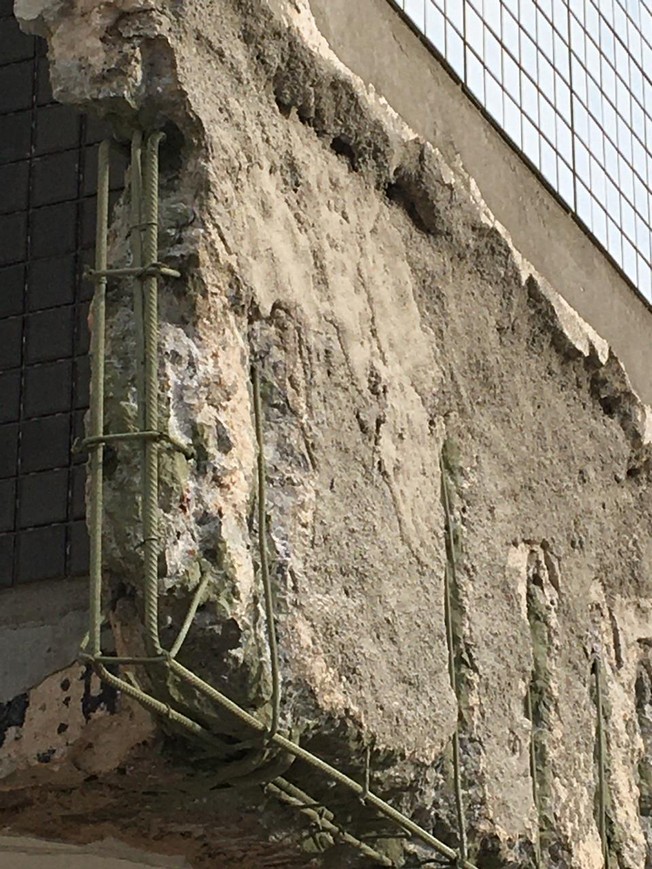
How Much Reinforcement Has Been Lost? Understanding Residual Rebar Section in Concrete Restoration
Once concrete is opened, corrosion stops being a general observation and becomes measurable information. This note explains residual diameter, cross-sectional loss, pitting and corrosion-rate measurement — and why the Engineer of Record determines what any of it means structurally.
|9 min read
Milestone inspection repairs
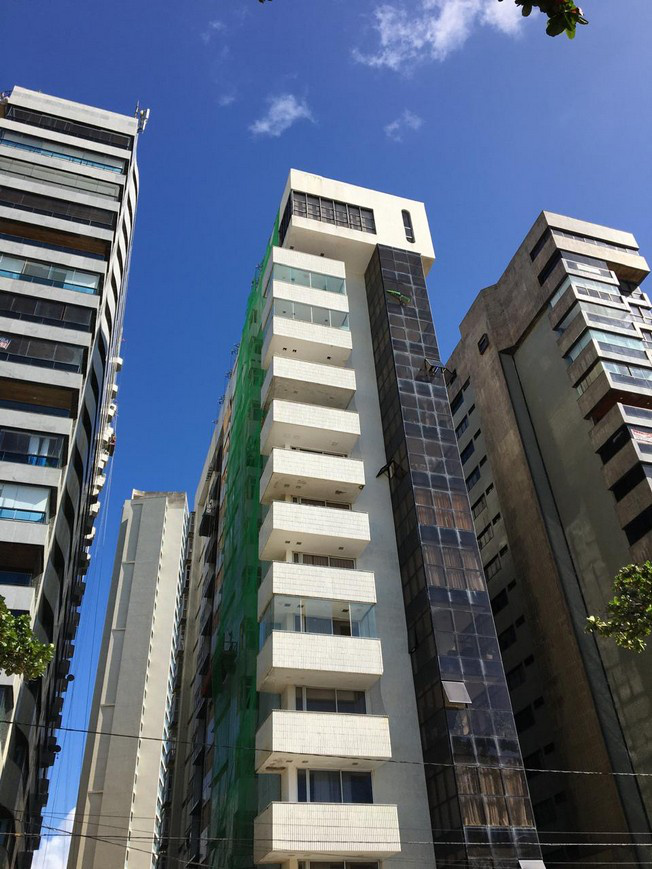
Your Florida Milestone Inspection Identified Structural Deterioration — What Happens Next?
A Milestone Inspection report is not the end of the process. When it identifies structural deterioration, the report becomes the basis for engineering decisions, a defined repair scope, contractor execution and documented reinspection.
|8 min read
Concrete restoration
Concrete Spalling in South Florida Condominiums: Causes, Warning Signs & Repair
Spalling is visible evidence that concrete has separated or broken away. Understanding what can be observed, what requires professional evaluation and how repairs are executed helps condominium associations plan a disciplined response.
|7 min read
Quantity control
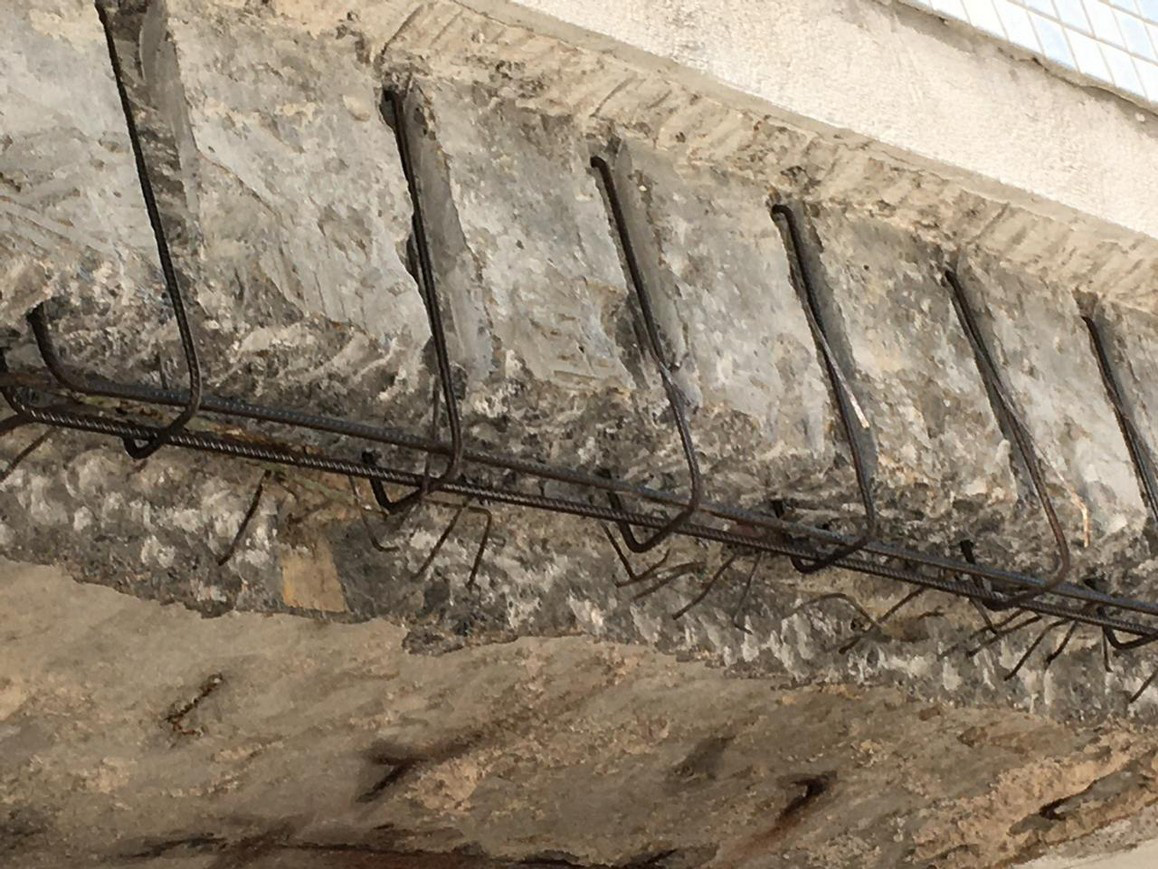
Why Concrete Repair Quantities Increase After Demolition Begins
A repair drawing marks where work is expected. Removal establishes where sound concrete actually starts. The difference between those two numbers is normal, measurable and — done properly — fully documented.
|6 min read
Milestone inspection repairs
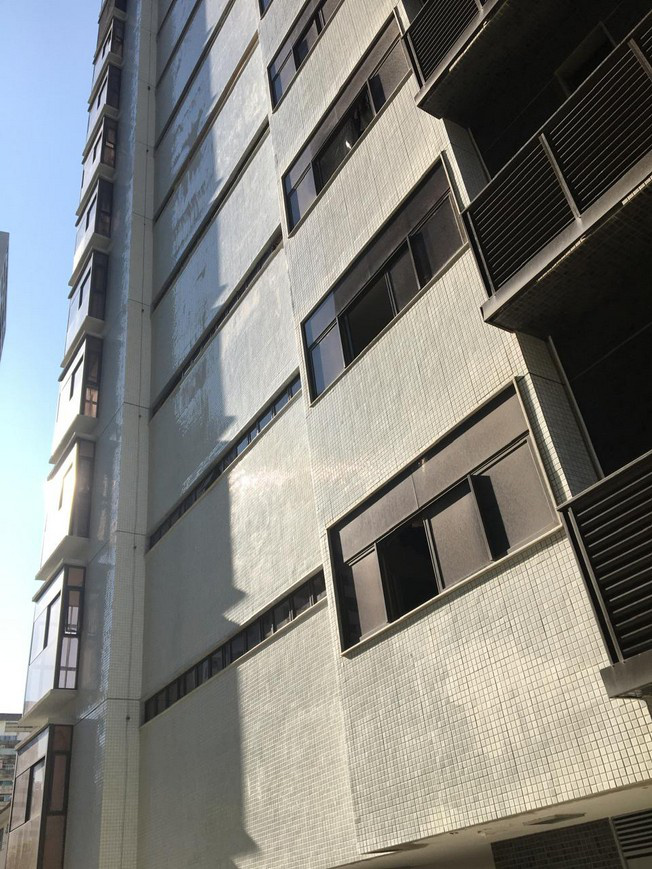
What Happens After a Florida Milestone Inspection Identifies Concrete Repairs?
The inspection tells a board what a licensed professional observed. It does not tell the board how much repair there is, what it should cost, or how the work will be documented. This is the sequence between the report and the close-out package.
|5 min read
Balcony restoration
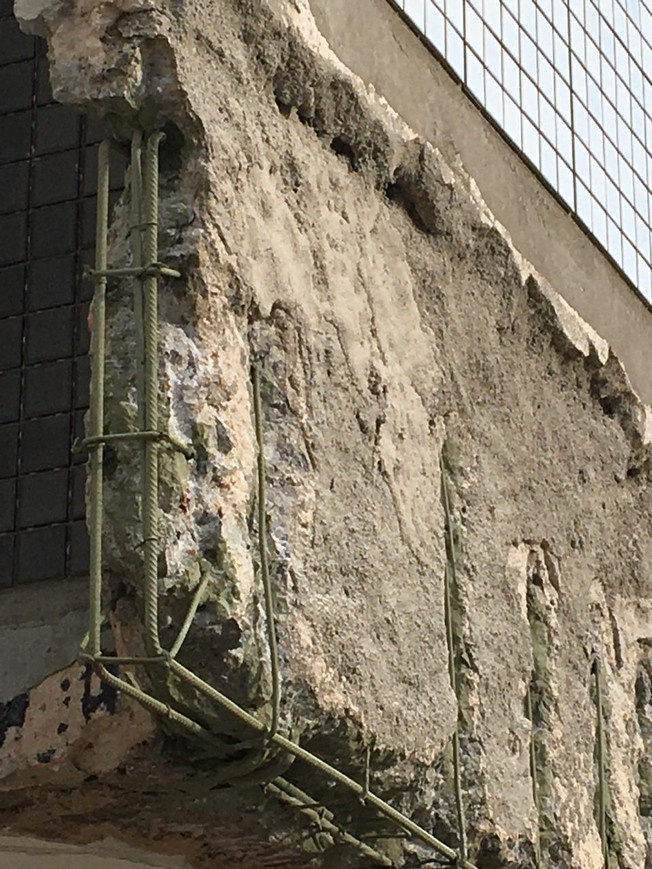
Why Balcony Slab Edges Demand Attention in Coastal Buildings
The slab edge is the thinnest, most exposed, most detailed line on a coastal tower — and the place where concrete repair, railing embeds and waterproofing all meet. Here is what is observable, what is not, and how the work is sequenced in an occupied building.
|5 min read
Parking structure restoration
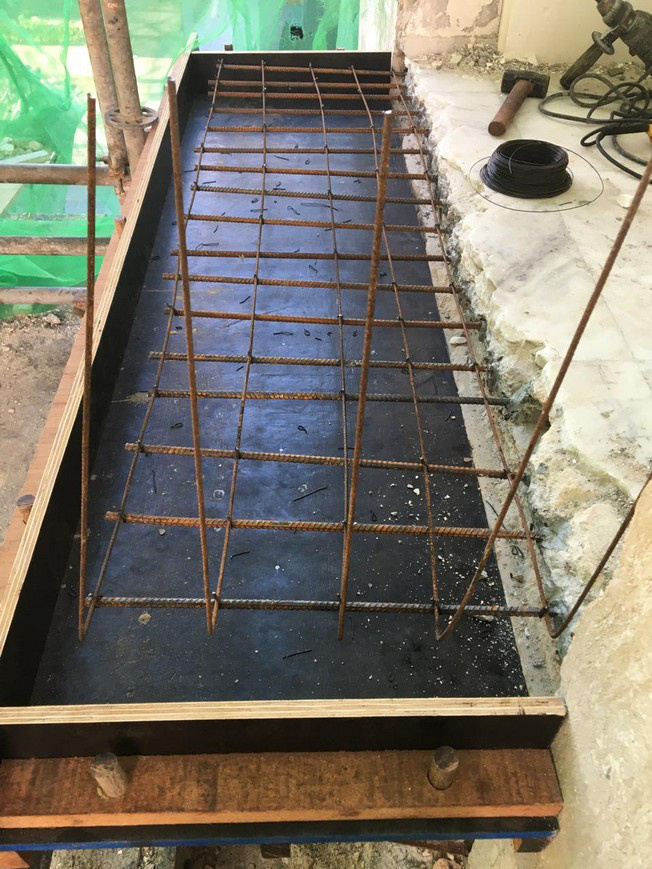
Parking Garage Concrete Deterioration: Why Visible Damage May Be Only Part of the Scope
A garage shows its condition sooner than a façade — and still under-reports it. Decks, ramps, beams, columns and soffits each deteriorate differently, and opening a marked area regularly establishes a different extent than the survey indicated.
|4 min read
General information about restoration contracting. Nothing published here is engineering or legal advice, and no condition is diagnosed. CONCRE observes, maps and quantifies. The Florida PE evaluates, diagnoses and specifies.
Next step
Bring us the building, not just the question.
Already have an engineer's report and drawings? Send them and we will review the repair scope, quantities and execution requirements under your engineer's documents.
No-cost initial project review. No obligation.