
Insights/Building envelope
Why Repaired Concrete Fails Again: Waterproofing, Joints and the Building Envelope
A concrete repair restores a damaged element. Whether it lasts depends on what happens next to the water, salt and moisture that caused the damage.
|3 min read
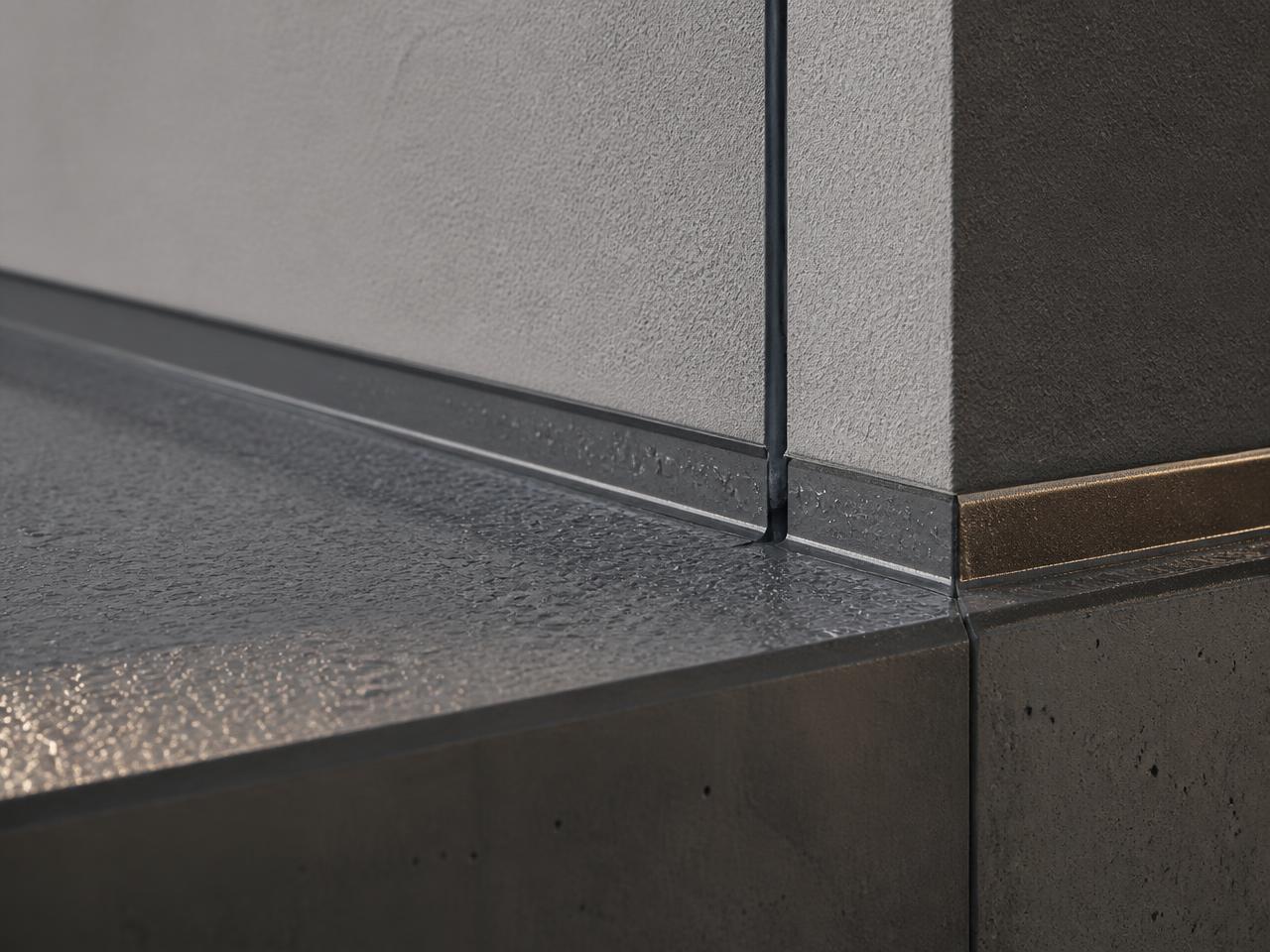
Most reinforced-concrete deterioration in coastal buildings starts with something reaching the steel that should not: water, chlorides from salt-laden air, or carbon dioxide over many years. A repair removes the damaged concrete, treats the reinforcement and rebuilds the section. If the path that brought moisture and chlorides to the steel is still open, the conditions that led to the first repair can remain in place.
The U.S. Bureau of Reclamation's Guide to Concrete Repair states the principle plainly: if the cause of the damage is not addressed, the repair may fail in the same way as the original concrete. In South Florida buildings, that cause very often involves the building envelope.
What the envelope does for the concrete
The building envelope is the set of systems that keep water out: deck and balcony waterproofing, sealants at joints and openings, stucco and finishes, protective coatings and the transitions between them. Each one limits how much water and how many chlorides reach the concrete and its reinforcement.
When those systems fail, water does not stop at the surface. It moves through open joints, cracked stucco, failed coating transitions and gaps at railing posts, and it can stay in contact with concrete long after a storm passes. Repairing the concrete without restoring the system around it leaves that pathway in place.
Four common ways a repair is undermined
01
The water path stays open.
A repaired balcony slab edge with a failed deck membrane above it, or an open joint beside it, can be exposed to the same moisture conditions it had before the repair.
02
Joints are not carried through.
The Bureau of Reclamation guide notes that existing joints should be carried through a repair; otherwise substrate cracks can reflect through the new material and open a new path for water.
03
Contaminated concrete is left at the edges.
When chloride-contaminated concrete remains around a patch, corrosion of the steel near the boundary between new and old concrete is likely to accelerate. The guide calls this the halo or ring effect. Removal limits and any corrosion-mitigation measures are set by the Engineer of Record.
04
The surface is left unprotected.
A rebuilt section that is never sealed, coated or covered by a restored finish remains exposed to the same coastal environment.
The systems that protect a repair
| System | What it protects against | Where it matters most |
|---|---|---|
| Deck and balcony waterproofing | Standing and driven water reaching slabs from above | Balconies, terraces, roof decks, garage decks |
| Joint sealants and expansion joints | Water entering through movement joints and perimeter gaps | Slab edges, window perimeters, panel and level changes |
| Stucco and finish restoration | Water reaching the concrete behind the render | Façades, columns, soffits |
| Penetrating sealers and protective coatings | Ingress of water and chlorides into the concrete surface | Exposed concrete, slab edges, garage elements |
| Railing and embed detailing | Water entering where metal penetrates concrete | Railing posts, anchors, embedded items |
These protections are recognized in established repair practice. The European EN 1504 framework, for example, lists protection against ingress and moisture control as their own repair principles, alongside restoring the concrete itself. The Bureau of Reclamation guide also notes the limits of some products: penetrating sealers can act as chloride screens, but they do not fully waterproof concrete. That is why system selection belongs to the engineer's specifications, not to a single product.
Why sequence and interfaces decide the result
Envelope systems fail most often where they meet: membrane to slab edge, sealant to stucco, coating to railing post, wall to window frame. A project can install every product correctly and still leave a gap at a transition if the trades are not coordinated.
That is why CONCRE plans concrete repair and envelope work as one sequence. The repair is completed and accepted before the protective system goes on. Each transition is detailed and inspected. Photographs record the repaired element, the prepared substrate and the finished system, so the record shows that the protection is continuous.
What boards can ask before approving a repair program
- Does the scope address how water reached the damaged areas, or only the damage itself?
- Which waterproofing, sealant and coating systems has the engineer specified for the repaired areas?
- Are joints, railing posts and window perimeters included where they border repairs?
- Who is responsible for each transition between systems?
- How will the finished protection be documented for the building's records?
Where CONCRE fits
The Florida PE or Engineer of Record evaluates the cause of deterioration and specifies repair and protection systems. CONCRE executes concrete repair and envelope work together under those documents, coordinates the interfaces and documents the result. Learn more about Building Envelope & Waterproofing, Sealants & Expansion Joints, Stucco Restoration and Structural Concrete Restoration, or request a no-cost initial project review.
This article is general information about restoration contracting, not engineering advice, and it does not diagnose any building. CONCRE observes, maps and quantifies. The Florida PE evaluates, diagnoses and specifies.
Sources
Guide to Concrete Repair, Second Edition (2015) — U.S. Bureau of Reclamation
The Repair and Protection of Reinforced Concrete in Accordance with EN 1504 — Sika technical guide
Related insights
More from CONCRE Insights.
Contract structure
Unit Price vs. Lump Sum: Choosing a Contract Structure for Concrete Restoration
Concrete repair quantities are not fully known until the concrete is opened. The contract structure decides who carries that uncertainty and how the final number is reached.
SIRS & condominium planning
Florida SIRS Deadline: What Condo Boards Must Do Before December 31, 2026
Florida law sets December 31, 2026 as the outer limit for completing a Structural Integrity Reserve Study. Here is what the statutes require now, and the practical steps boards are taking.
Local inspection repair planning
Pompano Beach Building Safety Inspections: Planning Restoration When Repairs Are Required
From reported findings to engineer-defined repairs, comparable measured bids, permits, resident coordination and the responsible professional’s reinspection.
Next step
Request a Project Review
No-cost initial project review. No obligation.
No-cost initial project review. No obligation.